What a Made-to-Order Custom Security Label Can Do
A security label is not a single product; it is a combination of substrates, print processes, and covert or overt features assembled into one construction. We manufacture composite custom security labels that layer multiple technologies in a single label — for example, fluorescent ink printed over a laser holographic foil, with a QR code carrying variable data and a scratch coating protecting a verification code beneath. The individual technologies we work with include fluorescent, laser holography, QR variable data, scratch coating, polarized, latent image, paper texture, and coding technologies. The design question is not which feature is best; it is which combination fits your product, your inspection conditions, and the level of counterfeiting pressure you face. A high-value cosmetic carton may need tamper evidence and a scratch-off verification code, while an industrial spare part may prioritise a latent image that only a trained auditor can find. Because we have been building these constructions since 2008, we can advise on which combinations survive real-world handling and which compete with each other in the printing process.
Designing Custom Security Labels Around Your Threat Model
Start with what you are defending against. Counterfeiters typically attack the cheapest point in the chain: a copied label, a reused genuine label, or a refilled container. Different features answer different attacks. Tamper-evident constructions defeat label removal and reuse; laser holography raises the capital cost of reproduction; QR variable data with a serial number ties each label to a unique record; latent images and polarized features make verification possible without announcing how it works. We work through this with you before quoting, because a label that over-specifies wastes budget and a label that under-specifies fails in the field. Our wider anti-counterfeit brand protection solutions page covers how labels sit alongside other measures such as tamper seals and track-and-trace coding. Send us the product, the packaging artwork, and the specific problem you have seen; we will propose two or three constructions with the trade-offs stated plainly.
Formats, Sizes, and Application Methods
Custom security labels are supplied in rolls or sheets, in custom sizes and shapes. Roll format is the default for automatic applicators and high-volume packing lines; sheet format suits hand application, small batches, and label books for field use. Die shapes are cut to your artwork, including multi-panel constructions and labels with tear lines. Tell us the applicator make and model, the web width, the core size, and the liner you need, and we will match the construction to it, because adhesion failures usually come from the liner and adhesive combination rather than the security feature itself. Facestocks can be selected for paper texture, film, or foil depending on the surface the label will sit on and whether the label needs to destruct or stay intact on removal.
Manufacturing, Audit Status, and Capacity
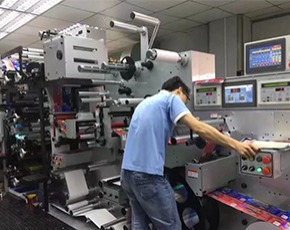
Shenzhen Huaxin Anti-Counterfeiting Technology Co., Ltd. has operated as a security label manufacturer in Shenzhen since 2008. We run a 1,500 m² factory with 60–100 employees and a monthly capacity of 510,000–1,000,000 labels, which covers both repeat programmes and trial volumes. We are a TÜV Rheinland Audited Supplier under report MIC-ASR262171; you are welcome to verify the report reference. Certificates available upon request. We do not publish certification claims beyond that, and we will not overstate what a document says — send your compliance questionnaire and we will answer it against the actual paperwork.
Specifications at a Glance
| Item | Detail |
|---|---|
| MOQ | 10,000 pcs |
| Lead time | Within 15 workdays |
| Formats | Rolls / sheets |
| Customization | Size / shape / artwork |
Trial orders are accepted, so you can validate print quality, adhesion, and applicator performance before committing to a full programme. For buyers comparing suppliers, the practical test is a sample run on your own line with your own product — we would rather you prove the construction than take our word for it. Our team can be reached through the contact page to arrange a sample brief.
Request a Quote for Your Custom Security Labels
To move from brief to quotation, send us four things: the product and surface the label will be applied to, the security features you are considering or the problem you need solved, the approximate order quantity, and whether you need rolls or sheets. If you have existing artwork, include it; if not, we can work from a specification. We will come back with a proposed construction, the specification table above applied to your case, and the questions we still need answered. Start at contact us or review the security labels range and the brand protection solutions we build around them.
FAQ
What is the minimum order quantity for custom security labels?
The MOQ is 10,000 pcs. Trial orders are accepted if you need to validate the construction first, and lead time is within 15 workdays for standard specifications.
Can you combine several anti-counterfeiting technologies in one label?
Yes. Composite constructions are the core of what we make. We combine fluorescent, laser holography, QR variable data, scratch coating, polarized, latent image, paper texture, and coding technologies as your application requires. We will tell you which combinations work well together and which do not, rather than simply accepting every feature on your list.
How do I verify your audit status and certifications?
Ask for the TÜV Rheinland audit report reference MIC-ASR262171 and we will provide the documentation. Certificates are available upon request. We prefer to answer compliance questions against the actual documents rather than in general terms.
Request a Quote
Tell us the label type, size and quantity. Zhao Hua's team replies with construction options, sampling and a volume price.
Request a Quote WhatsApp +86 136 7009 2422