Start With the Risk, Not the Label
Counterfeiting rarely looks the same twice. A premium skincare brand faces refilled or copied cartons; an electronics manufacturer faces cloned accessories and grey-market units; an industrial parts supplier faces forged certificates and look-alike components. The right anti counterfeit solutions therefore start with a structured risk review of the actual product, not with a catalogue of features.
Our process follows five steps: risk review of the product, feature selection, sampling, production, and verification rollout. During the risk review we look at how the product is packaged, where it is sold, who handles it between factory and end user, and what a counterfeiter would need to copy to pass a fake off as genuine. The output is a short list of features that raises the cost of copying without disrupting your existing packaging or fulfilment workflow.
This manufacturer-level view matters because labels are only as strong as their integration. A hologram that peels off cleanly, a QR code printed where it cannot be scanned, or a covert mark applied over a dark background all waste budget. The risk review catches these issues before tooling is committed.
A Layering Framework: Overt, Covert and Digital
Effective anti counterfeit solutions combine features at three levels, so that a casual buyer, an inspector and a central database each see something useful.
Overt features
These are visible without tools and act as a first deterrent: holograms and hot stamping. They make the label recognisable at a glance and give distributors and consumers an easy check. Overt features are the easiest to imitate in appearance, which is why they are paired with the layers below.
Covert features
These require a tool, a trained eye or a specific light source: micro-text, fluorescent inks, latent images and polarized features. Covert marks let brand protection teams and customs officers verify a suspect product quickly, while remaining impractical for a casual counterfeiter to reproduce. They also survive well on small labels, where there is limited surface area for visible security devices.
Digital features
Digital features connect the physical label to a record: QR variable data, scratch-off verification and RFID. Each label carries unique data rather than a shared design, so a copied print run fails verification even if the printing itself looks convincing. QR codes support consumer-facing verification; scratch-off layers protect single-use codes from being read before purchase; RFID supports faster checks in logistics and warehouse environments.
Most successful programmes use all three layers in proportion. A visible hologram for deterrence, one or two covert marks for professional verification, and a digital layer for traceability.
Matching Features to Your Product and Volume
Not every product needs all 60+ technologies. A low-unit-value consumable may only justify overt deterrence and a simple verification code; a high-value industrial component may warrant covert and digital layers plus tamper evidence. During feature selection we map the shortlist from the risk review against your label format, application surface, printing process and inspection capability.
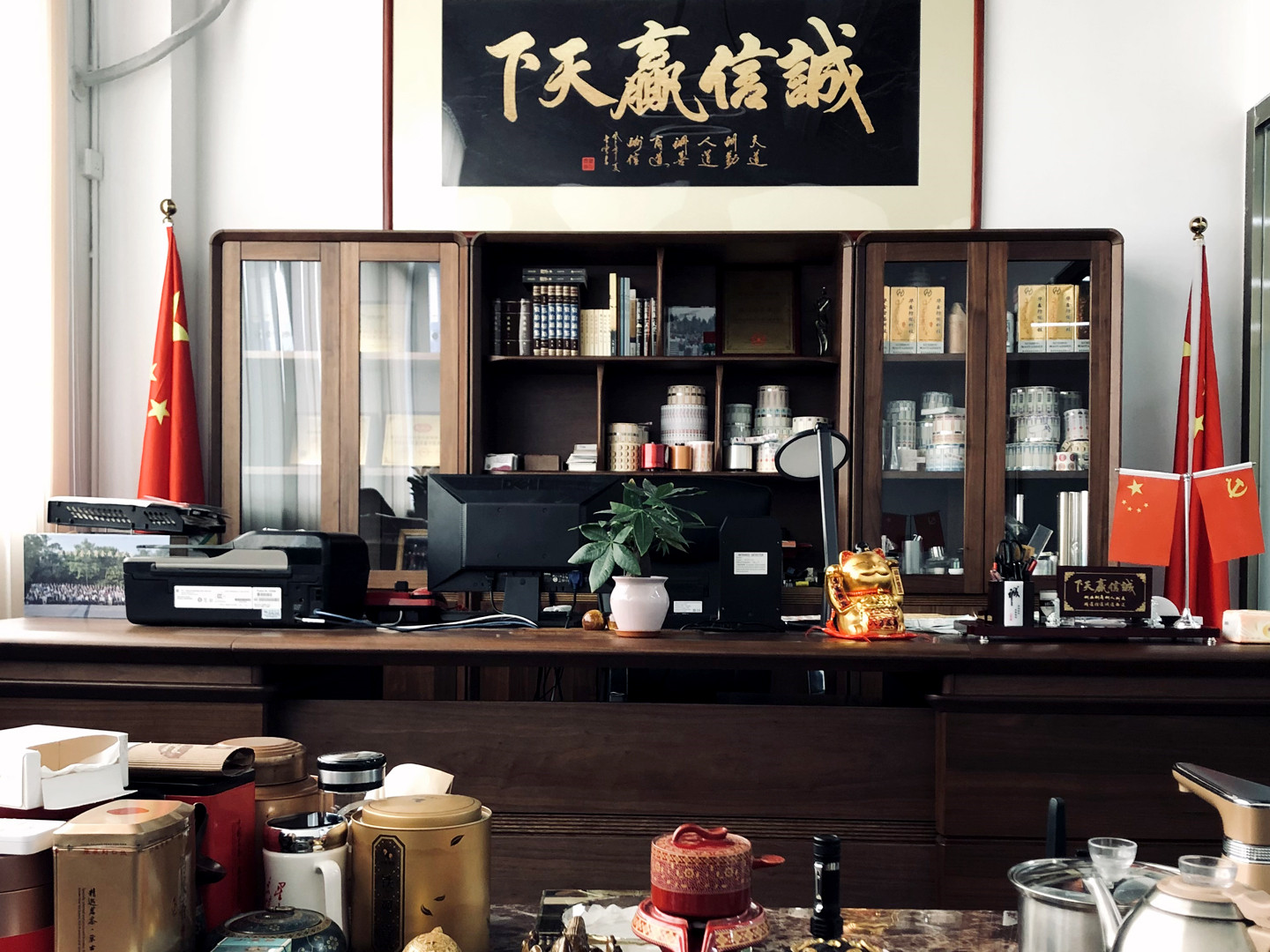
Production runs on our 1,500 m2 factory in Shenzhen, with 60-100 employees and a monthly capacity of 510,000 to 1,000,000 labels depending on complexity. We have manufactured security labels since 2008 and are audited by TÜV Rheinland (report MIC-ASR262171), which gives procurement teams an independent reference point when qualifying a supplier.
To compare technologies in more depth, review our anti-counterfeiting technologies or explore custom anti-counterfeiting labels built to your artwork and application.
| Item | Detail |
|---|---|
| Technologies available | 60+ anti-counterfeiting technologies |
| Factory | 1,500 m2 in Shenzhen |
| Monthly capacity | 510,000 - 1,000,000 labels |
| Audit | TÜV Rheinland, report MIC-ASR262171 |
| Manufacturing since | 2008 |
Pricing and minimum order quantities depend on the feature combination, label size and material, so figures are listed on the individual product pages rather than averaged here.
From Sampling to Verification Rollout
After feature selection, we produce samples so your team can test the label on the actual packaging line: adhesion, print register, scan performance and application speed. Sampling is where most integration problems surface, and it is cheaper to resolve them at this stage than during a full run.
Production follows approval. Each batch is produced against the agreed specification, and variable data - QR codes or RFID inlays, where used - is generated and recorded so that verification systems can recognise genuine labels later.
Verification rollout is the step many projects under-plan. A covert or digital feature only works if the people checking it know what to look for and can reach the data behind it. Plan the rollout with the feature set: define who verifies what — warehouse staff scanning codes, field inspectors checking covert marks, or consumers using a verification page. The features and the verification habit have to be designed together, which is why rollout planning belongs in the project scope from the start.
FAQ
How do we choose between overt, covert and digital features?
Start from the risk review. If the main threat is casual copying at retail, overt features plus a simple digital code will usually cover it. If the threat is organised counterfeiting or diversion, covert marks and unique digital data become more important. Most programmes combine at least two layers.
Can anti-counterfeit labels be applied on our existing packaging line?
Yes, in most cases. During sampling we test the label against your actual packaging material and application equipment, including adhesion, scan performance and line speed. Any adjustments to format or material are agreed before production.
Do we need to change our packaging artwork?
Usually not. Security labels are applied as a separate component, so your printed carton or bottle design can stay as it is. Where a digital verification code needs to sit on-pack, we plan its position with your design team during feature selection.
Request a Quote
Tell us about your product, where it is sold and what kind of copying you are seeing, and we will outline a feature set, sampling plan and timeline. To start the conversation, contact our team or compare the technologies we manufacture before you specify custom labels for your line.
Request a Quote
Tell us the label type, size and quantity. Zhao Hua's team replies with construction options, sampling and a volume price.
Request a Quote WhatsApp +86 136 7009 2422