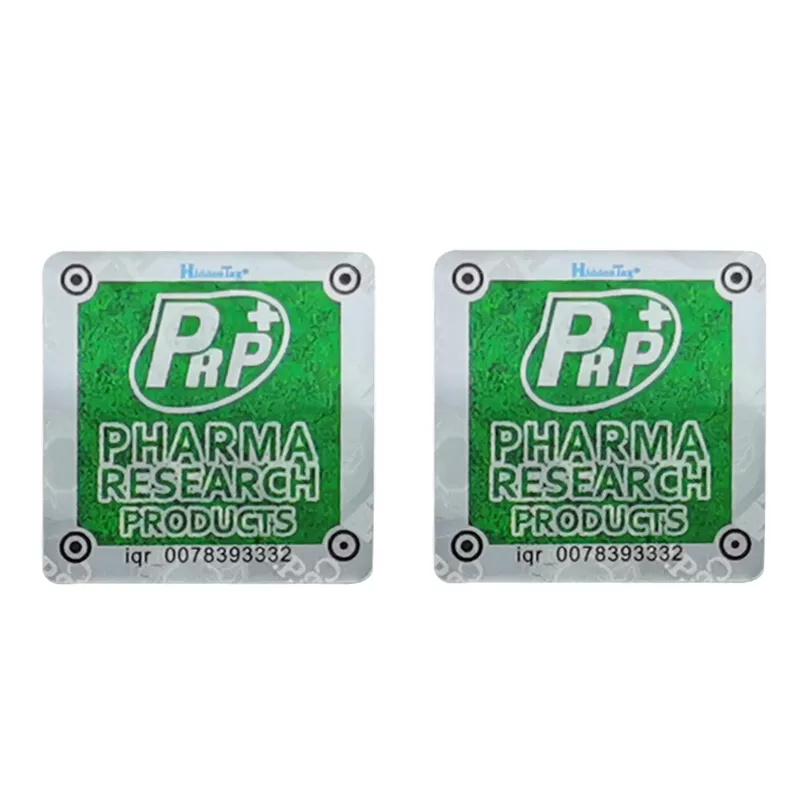
Why Cosmetics Brands Need Brand Protection Labels
Cosmetics are unusually exposed to counterfeiting and diversion. Products are small, high in value per gram, sold through many channels, and often repackaged or resold. A diverted or counterfeit item can reach a consumer with no visible sign of where it came from, and the damage lands on the brand: complaints, returns, regulatory questions and lost trust.
Brand protection labels address this at the physical level. A label applied at the filling or packing line can carry a serialized identity, a tamper-evident construction and an authentication feature that is difficult to copy economically. The goal is not only to catch counterfeits after the fact but to make the genuine supply chain traceable, so that an unauthorized reseller or a grey-market consignment can be identified and acted on.
Technologies That Fit Cosmetics Packaging
Different products need different levels of protection, and cosmetics packaging ranges from folding cartons and shrink film to small bottles and rigid boxes. Huaxin works with more than 60 anti-counterfeiting technologies and can combine several on a single label.
Holographic and laser features
Holographic labels provide a visual, first-line check that staff and consumers can verify without tools. They are well suited to outer cartons, seals and premium boxes. Custom holographic and laser security labels are priced from US$0.03 to US$0.08 per label depending on size, material and feature set.
QR authentication and scratch-off verification
A QR code printed on or under a label lets a buyer scan and confirm authenticity through the brand's verification system, while a scratch-off layer hides a unique code until purchase. This combination supports both consumer-facing checks and back-end data on where and when a code was verified — useful evidence when investigating diversion.
Tamper-evident construction
For products that are refilled, decanted or resold, a label that cannot be lifted and reapplied without visible damage protects the integrity of the pack. Destructible materials and void-indicating adhesives are common choices.
Matching Labels to Channel Protection Goals
Before choosing a technology, define what the label must do. Three common objectives for cosmetics and premium brands:
- Counterfeit detection at the point of sale. A visible holographic feature plus a scannable code gives retail staff and consumers a quick check.
- Grey-market and diversion control. Serialized QR codes or hidden codes let the brand see which batch or market a product was intended for and flag codes appearing outside their territory.
- Returns and warranty control. Scratch-off codes can be validated once, so a returned unit cannot be resold as new.
A single label can serve more than one objective, but the feature set and the data behind it should be decided together. Huaxin's team can advise on which combination suits a given pack format.
Manufacturing and Order Details
Shenzhen Huaxin Anti-Counterfeiting Technology Co., Ltd. has manufactured security labels in Shenzhen since 2008. The company has 60–100 employees and a 1,500 m² factory, with monthly capacity of 510,000 to 1,000,000 labels. It has been audited by TÜV Rheinland (report MIC-ASR262171).
| Item | Detail |
|---|---|
| Custom anti-counterfeiting labels MOQ | 10,000 units; trial orders accepted |
| Holographic label price range | US$0.03–0.08 per label |
| Monthly capacity | 510,000–1,000,000 labels |
| Factory | 1,500 m², Shenzhen, since 2008 |
| Audit | TÜV Rheinland, report MIC-ASR262171 |
Custom anti-counterfeiting labels start at a MOQ of 10,000, and trial orders are accepted, which suits brands that want to validate a design on one product line before scaling. For holographic constructions, see the holographic and laser security labels range; for serialized QR and scratch-off options, see custom anti-counterfeiting labels.
Working With a Security Label Manufacturer
Cosmetics packaging puts specific demands on a label: small dimensions, curved surfaces, resistance to oils and alcohol, and a finish that matches the brand's print standards. It is worth confirming material, adhesive and print method against the actual pack before production. A trial order is the practical way to do this — apply the label to real containers, run it through the filling and shipping process, and check how it behaves.
It also helps to plan the data side early. If QR verification or serialization is part of the label, the brand's verification system and the label's code structure need to align before printing begins. Huaxin's team can discuss both the physical label and the coding approach, and you can request a quote with your pack dimensions, target volume and protection goals.
FAQ
What is the minimum order for custom brand protection labels?
The MOQ for custom anti-counterfeiting labels is 10,000 units, and trial orders are accepted. This allows a brand to test a design on a single product line before committing to larger volumes. Exact pricing depends on size, material and the technologies used.
Which technology is best for cosmetics packaging?
There is no single answer. Holographic labels suit visible seals and cartons, QR authentication supports consumer verification and diversion tracking, and scratch-off codes work well for single-use validation such as returns. Many cosmetics brands combine two or three features on one label.
How do I start a label project?
Prepare your pack dimensions, expected volume, the channels you sell through, and the risks you want to address. Share these with the manufacturer so the material, adhesive and feature set can be specified, then confirm on a trial order before full production.
Request a Quote
Tell us the label type, size and quantity. Zhao Hua's team replies with construction options, sampling and a volume price.
Request a Quote WhatsApp +86 136 7009 2422