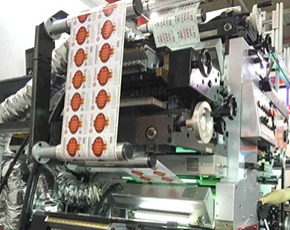
How scratch off labels support anti-counterfeit verification
A scratch off label is a controlled-integrity label: a opaque scratch layer is printed over a variable code, serial number or QR pattern, and the label is constructed so the coating can only be removed once. The buyer or inspector scratches the panel, reveals the code, then scans or enters it to check authenticity against your database. Because the code is hidden until scratched, it cannot be read, photographed or pre-registered by a counterfeiter before the product reaches the end user.
Three properties make the format useful for verification rather than simple promotion:
- Concealment. The scratch layer hides the code completely, so the label carries no readable data on the shelf.
- Tamper evidence. Once the scratch panel is removed, the label cannot be restored to its original state — a scratched label is visibly used.
- Variable data. Each label can carry a unique serial number, QR code or both, so verification is per-unit rather than per-batch.
These scratch off labels work best when paired with a database or verification app on your side. The label supplies the unique token; your system decides whether it is genuine, already used, or unknown. We manufacture the physical layer and can print the variable data you specify.
Constructions we manufacture
Shenzhen Huaxin Anti-Counterfeiting Technology Co., Ltd. has produced security labels in Shenzhen since 2008 and works with more than 60 anti-counterfeiting technologies. Our scratch-off range covers several build options:
- Laser security scratch-off QR code serial number 3D hologram sticker. A holographic base with a scratch panel over a QR code and serial number, combining visual deterrence with a hidden verification code.
- Scrape-layer laser anti-counterfeiting trademark sticker with QR printing. A laser-effect trademark label where the scratch layer conceals a printed QR code, suited to branded goods that need a recognizable security mark.
- Four-color variable QR code VOID-open scratch-off CMYK security label. A CMYK-printed label with a VOID-open construction, so removal leaves a visible VOID trace, plus a variable QR code under the scratch layer.
- Laser cutout burn-code garbled serial number scratch-silver label. A silver scratch panel over a garbled serial number with laser cutouts, for applications where a plain sequential number is not enough.
If your product needs a specific substrate, adhesive or finish, tell us the surface and the application environment and we will confirm what is feasible before quoting.
Choosing between security verification and promotion
The primary use of a scratch off label is anti-counterfeit verification: the code is revealed, then checked. A secondary use is promotion — a hidden code can carry a reward, a points value or a campaign entry. Both use the same physical format, but the design decisions differ.
For verification, prioritize concealment, tamper evidence and a code format your scanning system can handle. For promotion, prioritize print quality and the redemption flow on the consumer side. Many customers run both on the same label: a hidden code verified first for authenticity and then used for a campaign. Decide which function is primary before you finalize artwork, because it affects the scratch layer, the code size and the data format.
Specifications and pricing
The figures below are drawn from products in our scratch-off range. All prices are per label in US dollars and all listed minimum order quantities are 10,000 pieces.
| Item | Detail |
|---|---|
| Custom laser security scratch-off QR code serial number 3D hologram sticker | US$0.15–0.30 per label; MOQ 10,000 |
| Scrape-layer laser anti-counterfeiting trademark sticker with QR printing | US$0.15–0.30 per label; MOQ 10,000 |
| Four-color variable QR code VOID-open scratch-off CMYK security label | US$0.10–0.20 per label; MOQ 10,000 |
| Range example: laser cutout burn-code garbled serial number scratch-silver label | Quoted on specification |
| Monthly capacity | 510,000–1,000,000 labels |
Final pricing depends on size, substrate, variable-data requirements and finishing, so treat the ranges above as a starting point for budgeting rather than a firm quotation.
Manufacturing capacity and audit background
Our factory covers 1,500 m2 with 60–100 employees and a monthly capacity of 510,000 to 1,000,000 labels. We have been audited by TÜV Rheinland (report MIC-ASR262171), which we can share with buyers who need supplier documentation for their qualification process. For teams building a variable-data program, our QR code variable data labels page covers serialization and code assignment in more detail, and the broader QR code anti-counterfeit labels range shows how scratch panels combine with other security features. If your verification flow depends on scanning, review the QR formats on those pages before choosing a scratch construction, since code density and print contrast affect read rates after the panel is removed.
Request a quote for scratch off labels
Send us your label size, substrate, the code format you need (QR, serial number or both), your expected order quantity and the verification method you plan to use. We will confirm feasibility, propose a construction and return pricing against your specification. To start, contact our team with your artwork or a sample of your current label, and we will respond with the next steps.
FAQ
Can the hidden code be read without scratching the label?
No. The scratch layer is opaque and covers the code completely, so the data cannot be read, photographed or scanned until the panel is removed. This is the core reason the format works for verification: a counterfeiter cannot harvest valid codes from unsold stock in a store.
What happens to the label after the scratch panel is removed?
The label shows visible evidence of use and cannot be restored to its original appearance. On VOID-open constructions, removal of the label itself also leaves a VOID trace on the surface, so a transferred or reused label is detectable.
Do you support both verification and promotional codes on the same label?
Yes. The same hidden code can be checked for authenticity first and then used for a promotion, reward or campaign entry. Tell us at the quoting stage which function is primary so we can specify the scratch layer, code size and data format correctly.
Request a Quote
Tell us the label type, size and quantity. Zhao Hua's team replies with construction options, sampling and a volume price.
Request a Quote WhatsApp +86 136 7009 2422